News

Hautpflege beim Bartwachstum: Ruhige Haut 2026
Die ersten zehn bis vierzehn Tage Bart wachsen lassen sind die Phase, in der die Haut am ehesten kippt: Juckreiz, Rötung, eingewachsene Haare an den Rändern. Diese Anleitung zeigt dir Schritt für Schritt, wie deine Hautpflege beim Bart wachsen lassen 2026 aussehen muss, damit die Haut ruhig bleibt statt zu reagieren. TL;DR Hautpflege beim Bart wachsen lassen braucht eine mildere Reinigung – harsche Cleanser verlängern Juckreiz um Tage. OLIRS 7-in-1 Gesichtscreme mit Bisabolol beruhigt Rasurbrand und trockene Ränder unter dem neuen Wuchs – täglich einsetzen. Eingewachsene Haare häufen sich zwischen Tag 10 und Tag 20 des Wachstums; warme Kompressen vor der Wäsche verhindern die meisten. COSMOS Natural zertifizierte Formeln sind in dieser Phase die sicherere Wahl gegen zusätzliche Reizung. Warum das wichtig ist Die Haut unter einem wachsenden Bart bekommt in den ersten zehn bis vierzehn Tagen die stärkste Reizung des gesamten Prozesses ab. Haare, die sich gegen die Wuchsrichtung drehen, reiben an Follikeln, die noch an tägliches Rasieren gewöhnt sind, und die Talgproduktion verändert sich mit der neuen Barriere aus Haar. Wer in dieser Phase weiter mit einem stark schäumenden Reiniger arbeitet, verlängert Rötung und Juckreiz künstlich – ein milder Reiniger für Männer mit Bart reduziert genau diesen Reiz, weil er die Hautbarriere nicht zusätzlich strapaziert. Die gute Nachricht: Die Phase ist zeitlich begrenzt. Nach vier bis sechs Wochen hat sich der Bart meist so weit gefestigt, dass die Reizung von selbst zurückgeht – vorausgesetzt, die Pflege in der Zwischenzeit macht es nicht schlimmer. Was du brauchst Ein milder, seifenfreier Cleanser ohne Sulfate Eine Feuchtigkeitscreme mit beruhigenden Wirkstoffen wie Bisabolol Ein weiches Handtuch – kein Frottee-Waschlappen mit rauer Struktur 5 Minuten morgens, 5 Minuten abends Geduld für 3 bis 4 Wochen, bevor du das Ergebnis bewertest Die Schritte 1. Wechsle auf lauwarmes Wasser Heißes Wasser trocknet die Haut zusätzlich aus, genau in dem Moment, in dem die Barriere ohnehin unter Stress steht. Wasch dein Gesicht mit lauwarmem Wasser, nie heißer als eine angenehme Dusche. Ergebnis: weniger Spannungsgefühl direkt nach dem Waschen. Häufiger Fehler: die Wassertemperatur höher stellen, weil sich das Gesicht "schmutziger" anfühlt. 2. Reinige nur einmal täglich in den ersten zwei Wochen Überreinigung schwächt eine Barriere, die schon mit neuem Haarwuchs kämpft. Eine Reinigung am Abend reicht in Woche 1 und 2 fast immer aus, morgens genügt Wasser. Nach Woche 2 kannst du auf zweimal täglich zurückgehen, wenn die Haut nicht mehr reagiert. Häufiger Fehler: aus Gewohnheit an der alten Zweimal-täglich-Routine festhalten. 3. Trage die Feuchtigkeitscreme auf feuchte Haut auf Feuchte Haut nimmt Wirkstoffe besser auf und die Creme zieht schneller ein, ohne zu ziehen. Die OLIRS 7-in-1 Gesichtscreme wird mit 1–2 Pumpstößen auf Gesicht und Hals aufgetragen, direkt nach dem Waschen, solange die Haut noch leicht feucht ist. Absorption dauert nur wenige Sekunden. Häufiger Fehler: die Creme erst auftragen, wenn die Haut schon komplett trocken ist – dann liegt sie nur obenauf. 4. Lass eingewachsene Haare in Ruhe Kratzen oder Ausdrücken öffnet die Haut für Entzündungen und macht aus einem eingewachsenen Haar eine Woche Rötung. Eine warme Kompresse für 60 Sekunden vor dem Waschen weicht den Follikel auf und lässt viele Haare selbst durchbrechen. Häufiger Fehler: mit den Fingernägeln nachhelfen, sobald ein Pickelchen sichtbar wird. 5. Bürste den Bart täglich in beide Richtungen Eine Bartbürste verteilt natürliches Sebum gleichmäßig und richtet Haare auf, die sonst gegen die Haut wachsen. 30 Sekunden gegen die Wuchsrichtung, dann 30 Sekunden mit der Wuchsrichtung, morgens direkt nach der Pflege. Ergebnis: weniger eingewachsene Haare an Kinn und Kieferlinie ab Woche 3. Häufiger Fehler: nur mit der Wuchsrichtung bürsten, was Haare flach an die Haut drückt statt sie aufzurichten. 6. Reduziere die Rasurfläche schrittweise statt abrupt zu stoppen Ein harter Schnitt von täglicher Rasur auf gar keine Rasur überfordert Follikel, die sich erst an eine neue Länge gewöhnen müssen. Rasiere in den ersten zwei Wochen nur noch die Wangen- und Halspartie, die du langfristig frei halten willst, und lass den Rest stehen. Nach Woche 2 ist der Übergang meist deutlich ruhiger. Häufiger Fehler: komplett aufhören zu rasieren und alle Reizzonen gleichzeitig belasten. 7. Beobachte die Haut in Woche 3 und 4 Das ist der übliche Wendepunkt: Follikel haben sich an die neue Wuchsrichtung angepasst, die Barriere ist stabiler. Notiere dir, ob Rötung und Juckreiz nachlassen – falls nicht, ist die Reinigung wahrscheinlich noch zu aggressiv. Häufiger Fehler: bei anhaltender Reizung die Pflege komplett wechseln, statt zuerst nur die Reinigungshäufigkeit zu senken. Passende Routine-Sets Fresh Skin Routine Set Dreistufige Routine mit aloehaltigem Cleanser und Tagespflege für hydratisierte Haut. €69.70 Skin Renewal Trio Drei Produkte für hydratisierte, glattere Haut mit gleichmäßigerer Textur. €100.50 Problemlösung Rasurbrand am Übergang zum Bart. Die Kante zwischen rasierter Haut und Bart ist die häufigste Problemzone, weil hier alte Follikel und neuer Wuchs aufeinandertreffen. Eine gezielte Anleitung zu diesem Randbereich findest du unter Rasurbrand am Hals dauerhaft loswerden. Trockene, schuppige Ränder um den Bart. Wenn die Feuchtigkeitscreme allein nicht reicht, braucht die Haut zusätzlich Öl statt nur Wasser-basierter Pflege. Wie du reaktive, leicht gereizte Haut in dieser Phase gezielt beruhigst, steht unter Gesichtsöl für reaktive, leicht irritierte Haut. Anhaltender Juckreiz nach drei Wochen. Normal sind maximal 10 bis 14 Tage spürbarer Juckreiz. Zieht es sich länger, ist meist die Reinigung selbst das Problem, nicht der Bart. Ungleichmäßiges Wachstum in Flecken. Das ist in den ersten sechs Wochen bei den meisten Männern normal und keine Frage der Pflege – Geduld schlägt hier jede Routine. Pickel unter dem Bart. Meist eine Kombination aus eingeschlossenem Sebum und seltener Reinigung. Eine Reinigung pro Tag reicht, zwei sind in Woche 1 und 2 fast immer zu viel. Tools und Ressourcen Milder Cleanser ohne Sulfate, speziell für die Bartphase formuliert OLIRS 7-in-1 Gesichtscreme für die tägliche Feuchtigkeitsversorgung Bartbürste für die tägliche Verteilung von Sebum Warme Kompresse gegen eingewachsene Haare Was du als Nächstes tun solltest Sobald die Haut sich beruhigt hat, lohnt sich ein zweiter Blick auf die Reinigung selbst: Nicht jeder Cleanser, der "sanft" auf dem Etikett steht, ist es auch wirklich. Prüf die Inhaltsstoffe, bevor du 2026 dauerhaft dabei bleibst. FAQ Was ist die beste Hautpflege beim Bart wachsen lassen? Ein milder, sulfatfreier Cleanser einmal täglich plus eine Feuchtigkeitscreme mit beruhigenden Wirkstoffen wie Bisabolol ist die zuverlässigste Kombination. Aggressive Reinigung ist in den ersten zwei Wochen die häufigste Ursache für anhaltenden Juckreiz. Wie lange dauert der Juckreiz beim Bart wachsen lassen? Normal sind 10 bis 14 Tage spürbarer Juckreiz, danach lässt er meist von selbst nach. Zieht er sich über drei Wochen hinaus, ist in der Regel die Reinigung zu aggressiv, nicht der Bart selbst. Sollte ich beim Bartwachstum weiter rasieren? Ja, aber nur an den Zonen, die du langfristig frei halten willst, etwa Wangen und Hals. Ein abrupter Komplettstopp der Rasur überfordert Follikel, die sich erst an die neue Länge gewöhnen müssen. Wie oft sollte ich meine Haut beim Bartwachstum reinigen? Einmal täglich, idealerweise abends, reicht in den ersten zwei Wochen fast immer aus. Danach kannst du auf zweimal täglich zurückgehen, wenn die Haut nicht mehr reagiert. Was hilft gegen eingewachsene Haare beim Bart wachsen lassen? Eine warme Kompresse für 60 Sekunden vor dem Waschen weicht den Follikel auf und lässt die meisten Haare selbst durchbrechen. Kratzen oder Ausdrücken verlängert die Reizung um Tage statt sie zu verkürzen. Ist eine Feuchtigkeitscreme beim Bartwachstum notwendig? Ja, die Haut unter neuem Haarwuchs verliert schneller Feuchtigkeit als glatte Haut. Eine Creme direkt nach der Reinigung, auf noch feuchte Haut aufgetragen, zieht schneller ein und wirkt zuverlässiger. Wie erkenne ich, ob mein Cleanser zu aggressiv für die Bartphase ist? Wenn die Haut nach dem Waschen spannt oder brennt, ist der Cleanser zu stark. Ein sanfter Reiniger sollte sich nach der Anwendung neutral anfühlen, nie straff oder trocken. Hilft Bartöl gegen trockene Haut unter dem Bart? Bartöl kann trockene Ränder unterstützen, ersetzt aber keine Feuchtigkeitscreme für die Haut selbst. Beide Produkte lösen unterschiedliche Probleme und ergänzen sich am besten kombiniert. Eine letzte Sache Die meisten Männer geben ihrer Bartphase nach zehn Tagen auf, genau dann, wenn der Juckreiz am stärksten ist und kurz vor dem Wendepunkt liegt. Halt die Reinigung mild, halt durch bis Woche 3, und die Haut reguliert sich in den allermeisten Fällen von selbst. Related guides Erkennen, ob dein Cleanser zu aggressiv ist
Learn more
Pollution Defense Skincare for Men 2026 – Kaufberatung
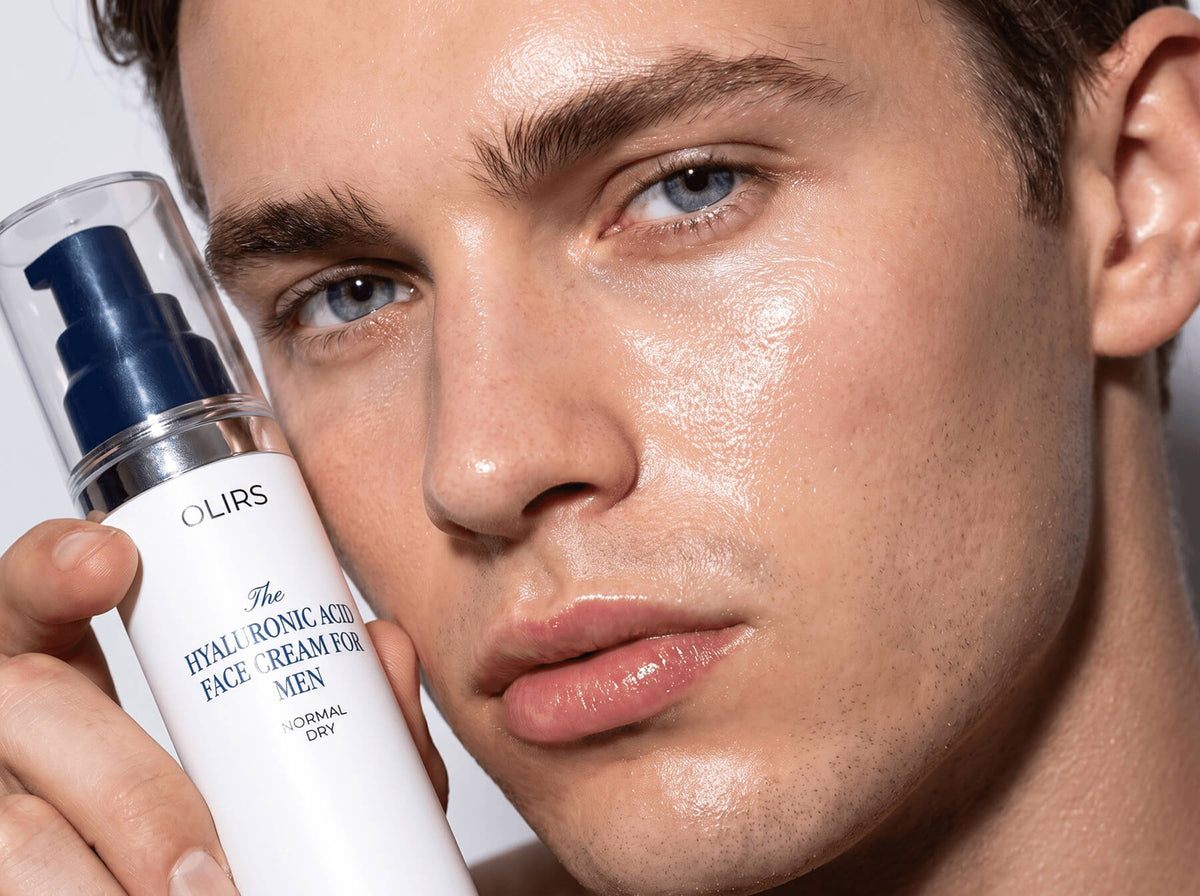
Wer jeden Tag mit Bus, Bahn oder Auto durch Feinstaub und Stadtluft pendelt, braucht mehr als eine 08/15-Feuchtigkeitscreme. Dieser Guide zeigt, was pollution defense skincare for men 2026 wirklich leisten muss und wo das Ginkgo Defense Gel Booster von OLIRS in die Routine passt. TL;DR Pollution defense skincare for men bedeutet benannte Antioxidantien, kein vages Marketing-Wort - Ginkgo Defense Gel Booster liefert vier Pflanzenextrakte. Verdikt: Buy. COSMOS Natural ist 2026 der einzige belastbare Gegenbeweis zu leeren Anti-Pollution-Claims. Oil-Free Zinc Face Gel passt zu öliger Haut nach der Pendelfahrt, Hyaluronic Acid Face Cream zu trockener Haut - beide Consider. Die 7-in-1 Gesichtscreme deckt die Basis ab, ersetzt aber kein gezieltes Antioxidans-Gel. Warum das wichtig ist Stadtluft, Abgase und Feinstaub liegen den ganzen Tag auf der Haut, nicht nur in der einen Stunde Pendelzeit. Die Haut reagiert auf diese Belastung mit Stress auf Zellebene, das ist der Grund, warum Antioxidantien in der Formel überhaupt Sinn ergeben - nicht als Buzzword, sondern als Wirkstoffklasse mit klarer Funktion. OLIRS setzt für dieses Problem auf das Ginkgo Defense Gel Booster: ein Vier-Pflanzen-Antioxidans-Gel in leichter, ölfreier Textur mit Ginkgo biloba, grünem Tee, Eichenrinde und Traubenkernextrakt. Wer zusätzlich eine Basispflege will, findet sie in der 7-in-1 Gesichtscreme - COSMOS Natural zertifiziert, mit 99% Natural Origin auf dem Etikett. Der Punkt für 2026: Ein Antioxidans-Gel ersetzt keine Feuchtigkeitscreme und eine Feuchtigkeitscreme ersetzt kein Antioxidans-Gel. Beide Rollen sind unterschiedlich, und genau das entscheidet, welches Produkt du morgens wirklich brauchst. Für wen das gemacht ist Der Zielkäufer hier ist der Mann, der werktäglich mindestens 30 Minuten im Verkehr steht - S-Bahn, Auto im Stau, Fahrrad auf der Hauptstraße. Er hat schon eine Grundroutine oder will 2026 endlich eine aufbauen, liest aber das Etikett bevor er kauft und will keinen "Anti-Pollution-Komplex" ohne Namen dahinter. Er sucht kein Wundermittel, er sucht eine Formel, die er selbst nachvollziehen kann. Worauf du bei Pollution Defense Skincare für Männer achten musst Benannte Antioxidantien, keine Sammelbegriffe Ein Etikett, das "Anti-Pollution-Komplex" schreibt, ohne die Pflanzen zu nennen, sagt dir nichts über die Konzentration oder die Wirkweise. Ginkgo biloba, grüner Tee, Eichenrinde und Traubenkernextrakt sind vier konkrete, überprüfbare Namen - genau das, was auf der INCI stehen sollte. Ölfreie Textur für den Alltag Ein Gel, das unter der Feuchtigkeitscreme oder unter einem leichten Sonnenschutz klebt, wird morgens übersprungen. Ölfreie Formeln ziehen schneller ein und lassen sich problemlos in eine Routine für den Skincare für den 9-to-5-Job einbauen, wo jede Minute vor der Tür zählt. Ein Drittsiegel, nicht nur ein Wort auf der Flasche "Natürlich" ist ein Marketingwort, keine Prüfung. COSMOS Natural ist eine Zertifizierung, bei der ein externer Prüfer INCI und Herstellungsprozess kontrolliert - das ist der Unterschied zwischen einem Versprechen und einem Beweis. Kompatibilität mit dem, was schon in deiner Routine steht Ein Antioxidans-Gel, das nicht mit deiner bestehenden Creme oder deinem Reiniger harmoniert, wird nach zwei Wochen wieder im Schrank landen. Leichte, ölfreie Texturen lassen sich fast überall dazwischenschieben, ohne die restliche Routine umzubauen. Schnelle Einziehzeit Wer morgens 15 Minuten hat, braucht Produkte, die in Sekunden einziehen. Die 7-in-1 Gesichtscreme von OLIRS zieht laut Routine-Angabe in rund 15 Sekunden ein, nach 1-2 Pumps auf Gesicht und Hals - das ist der Massstab, an dem sich jedes Zusatzprodukt messen sollte. Ehrliche Grenzen statt Wunderversprechen Kein Gel und keine Creme entfernt Feinstaub, der schon in die Haut eingedrungen ist, oder kehrt Hautalterung um. Was ein gutes Antioxidans-Produkt leisten kann: die Haut beim täglichen Stress unterstützen und optisch widerstandsfähiger wirken lassen - appearance, nicht Medizin. Die Top-Empfehlungen Für die Pendler-Routine Ginkgo Defense Gel Booster Antioxidans-Gel mit Ginkgo, gruenem Tee, Eichenrinde und Traubenkernextrakt - oelfrei. €25.50 Oil-Free Zinc Face Gel for Men Einfache, oelfreie Feuchtigkeitspflege mit Zink fuer den Alltag. €26 Hyaluronic Acid Face Cream for Men Leichte Feuchtigkeitscreme mit Hyaluronsaeure fuer den taeglichen Gebrauch. €18.70 Ginkgo Defense Gel Booster - der Antioxidans-Spezialist. Vier Pflanzenextrakte, ölfreie Textur, klar für den Einsatz zusätzlich zur normalen Pflege gedacht, nicht als Ersatz dafür. Für den Mann, der schon eine Creme hat und gezielt gegen Umweltstress aufrüsten will. Verdikt: Buy. 7-in-1 Gesichtscreme für Männer - die Basis, auf der alles andere aufbaut. COSMOS Natural zertifiziert, 99% Natural Origin, 1-2 Pumps, rund 15 Sekunden bis zum Einziehen. Wer noch keine tägliche Creme hat, startet hier, bevor ein zusätzliches Gel überhaupt Sinn macht. Verdikt: Buy. Hyaluronic Acid Face Cream for Men - die leichtere Variante für Männer mit trockener bis normaler Haut, die eine einfache tägliche Feuchtigkeitspflege ohne viele Schritte suchen. Gute Ergänzung zum Antioxidans-Gel, wenn die Haut nach der Pendelfahrt eher spannt als glänzt. Verdikt: Consider. Oil-Free Zinc Face Gel for Men - die Option für Männer, deren Haut nach einer verschwitzten Fahrt im überfüllten Zug eher glänzt als spannt. Zink in ölfreier Basis, gedacht als eigenständige Feuchtigkeitspflege, nicht als zusätzliches Antioxidans-Produkt. Verdikt: Consider. Was du vermeiden solltest "Anti-Pollution" ohne Zertifikat. Ein Etikett, das nur behauptet, natürlich oder pollution-fighting zu sein, ohne ein prüfbares Drittsiegel, ist ein Marketingversprechen und kein Beweis. So prüfst du, ob eine Zertifizierung wie COSMOS Natural echt ist, bevor du dem Etikett glaubst. Schwere, parfümierte Gele als Tagesprodukt. Was abends unter einer Nachtcreme angenehm ist, kann morgens unter Deo, Sonnenschutz und Kragen kleben bleiben und den ganzen Tag unangenehm auffallen. Aggressive Peelings gegen Feinstaub-Rückstände. Mechanisches Schrubben entfernt keine eingedrungenen Partikel, es reizt nur die Hautbarriere zusätzlich - genau die Barriere, die durch Stadtluft ohnehin schon belastet ist. Verdikt im Vergleich Produkt Beste für Hauptwirkstoffe Textur Verdikt Ginkgo Defense Gel Booster Gezielten Antioxidans-Boost Ginkgo, grüner Tee, Eichenrinde, Traubenkern Ölfrei, leicht Buy 7-in-1 Gesichtscreme Die tägliche Basis COSMOS Natural, 99% Natural Origin Schnell einziehend Buy Hyaluronic Acid Face Cream Trockene bis normale Haut Hyaluronsäure Leicht Consider Oil-Free Zinc Face Gel Ölige Haut nach der Pendelfahrt Zink Ölfrei Consider FAQ Was ist pollution defense skincare for men? Pollution defense skincare for men ist Pflege mit benannten Antioxidantien wie Ginkgo, gruenem Tee oder Traubenkernextrakt, die die Haut beim taeglichen Umweltstress unterstuetzen soll. Es ist keine medizinische Behandlung, sondern eine appearance-basierte Zusatzpflege. Brauchen Pendler wirklich ein extra Antioxidans-Produkt? Nein, zwingend nicht - eine gute Basiscreme mit COSMOS Natural Zertifizierung deckt viel ab. Ein Gel wie Ginkgo Defense Gel Booster ist eine gezielte Ergaenzung, kein Pflichtschritt. Ist Ginkgo Defense Gel Booster besser als ein normales Vitamin-C-Serum? Beide arbeiten mit Antioxidantien, aber unterschiedlichen Wirkstoffen - das Gel setzt auf vier Pflanzenextrakte statt auf Vitamin C allein. Welches passt, haengt von der Vertraeglichkeit der eigenen Haut ab. Ist COSMOS Natural das Gleiche wie Bio oder Organic? Nein. COSMOS Natural ist eine eigene Zertifizierungsstufe, COSMOS Organic ist eine andere, strengere Stufe. OLIRS-Produkte tragen COSMOS Natural, nicht Organic. Kann ich das Ginkgo Gel mit der 7-in-1 Gesichtscreme kombinieren? Ja, die oelfreie Textur des Gels ist so gedacht, dass sie unter einer Creme Platz hat, ohne die Formel zu belasten. Trag das Gel zuerst auf, die Creme danach. Welche Pflege eignet sich fuer oelige Haut nach dem Pendeln? Ein oelfreies Zink-Gel wie Oil-Free Zinc Face Gel for Men ist die naheliegende Wahl, weil es Feuchtigkeit ohne zusaetzlichen Glanz liefert. Schwere, reichhaltige Cremes verstaerken das Problem meist eher. Wann sollte ich ein Antioxidans-Gel auftragen, morgens oder abends? Morgens, direkt vor der Feuchtigkeitscreme und noch vor dem Verlassen der Wohnung. Der Umweltstress trifft die Haut waehrend des Tages, nicht in der Nacht. Eine letzte Sache Die Reihenfolge entscheidet mehr als das Produkt selbst: Antioxidans-Gel zuerst auf die trockene Haut, danach die Feuchtigkeitscreme - nicht umgekehrt. Wer das Gel über einer schweren Creme aufträgt, verdünnt die Wirkstoffe, bevor sie überhaupt einziehen können. 2026 ist der Unterschied zwischen einer guten und einer verschwendeten Anti-Pollution-Routine oft genau diese eine Reihenfolge. Weiterlesen Antioxidans-Gel für Männer, die den ganzen Tag auf Bildschirme starren Eine komplette Nachtroutine in zwei Minuten
Learn more
Best Face Oil for Dry Winter Skin Men (2026): Ranked
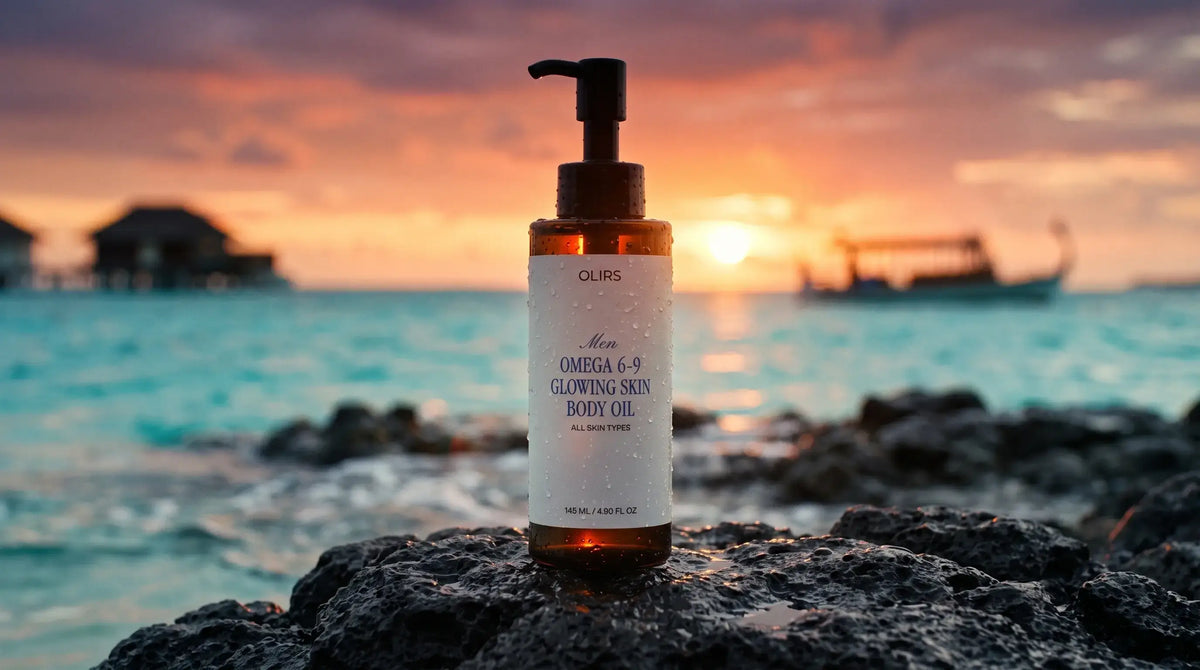
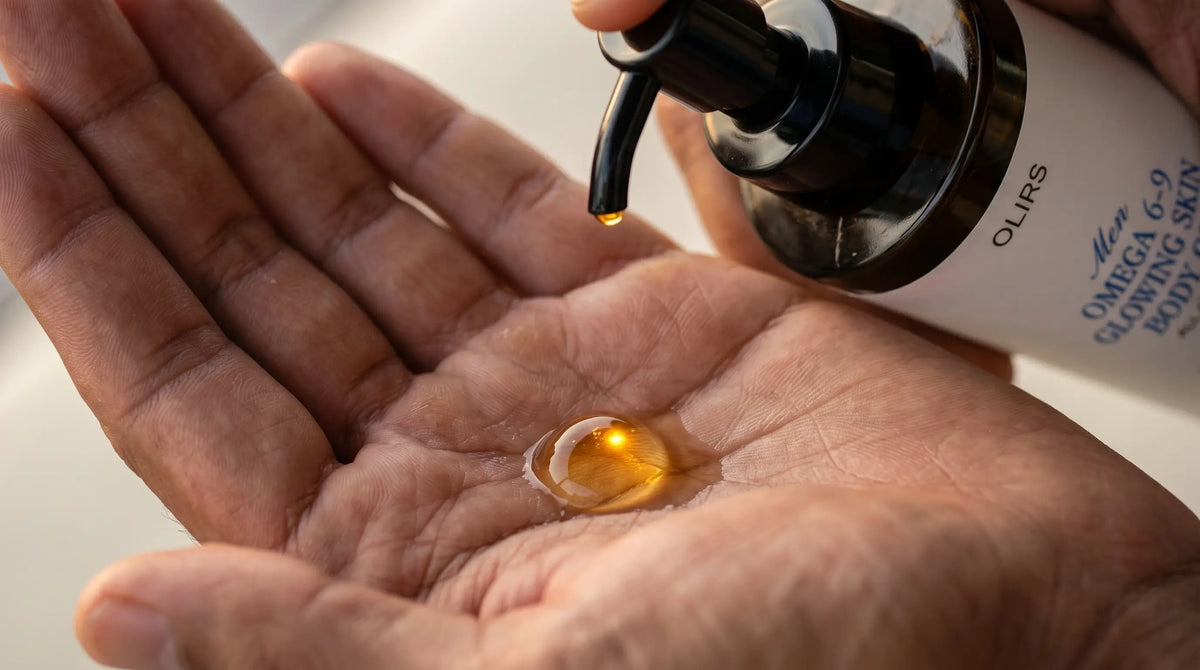
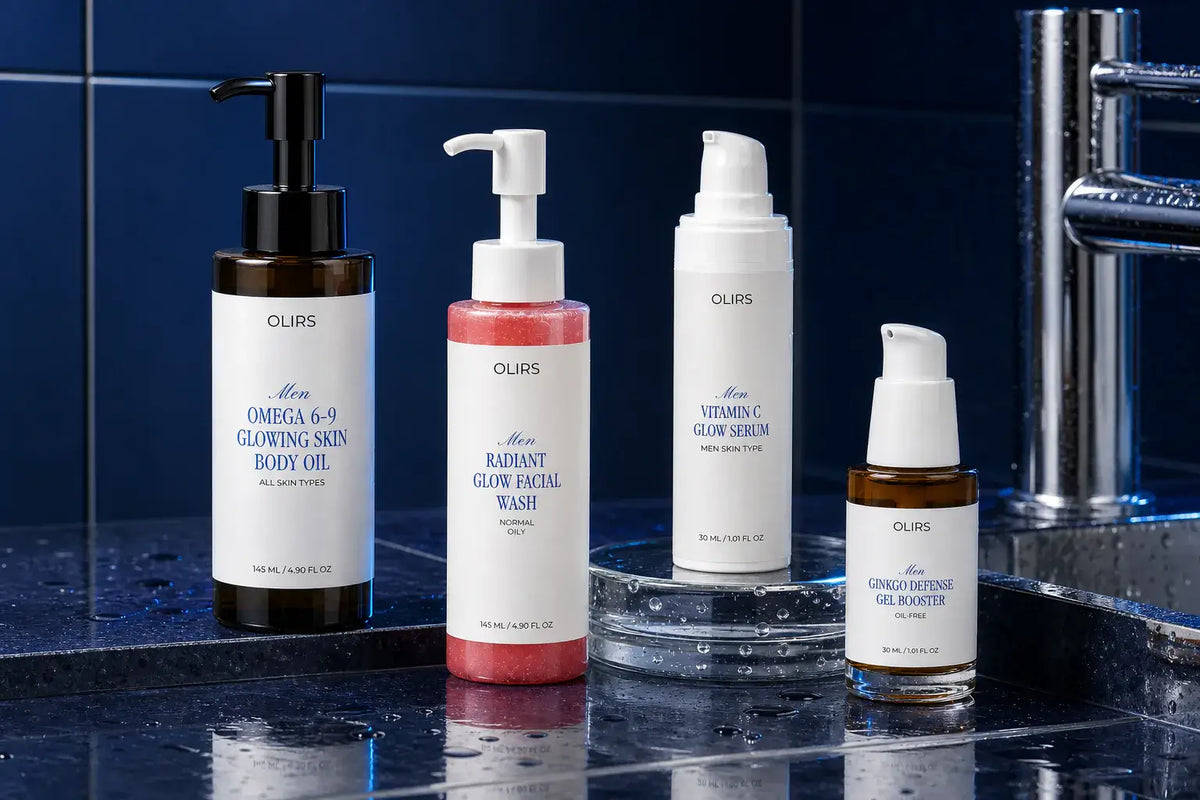
Winter pulls moisture out of skin faster than any other season, and most face oil marketing for men leans on a mood board instead of an ingredient list. This guide ranks the best face oil for dry winter skin men can actually check against the label, not the ad copy. TL;DR All-In-One Facial Oil is the strongest overall pick for dry winter skin men in 2026 — buy it. Nourishing Facial Oil packs 11 cold-pressed oils for skin that's still tight after the basic pick — buy for heavy dryness. Gentle Cleansing Milk preps skin so oil actually absorbs instead of sitting on top — buy as the prep step. Retinol Alternative Moisturiser layers over oil at night for extra hold — hold off unless oil alone isn't enough. Omega 6-9 Glowing Skin Body Oil is built for body skin, not your face — skip it for this list. Why this matters Cold air holds less water than warm air, and indoor heating pulls what little moisture is left off your skin faster than a humid afternoon ever does. Your face feels it first: tight after washing, flaky by the coffee machine, rough by mid-afternoon. A face oil doesn't add water to skin — it sits on top of the water that's already there and slows how fast it leaves. That's why the right oil matters more in January than in July. Most face oil marketing aimed at men skips the mechanism and goes straight to the promise. All-In-One Facial Oil takes the other route: six cold-pressed oils, sourced from three named regions, backed by a COSMOS Natural certification that means a third party checked the ingredient list against the marketing before either shipped. That's the standard this ranking runs on — not how a bottle photographs, but what's actually in it and where it came from. Olirs applies that standard across its face oil lineup in 2026, because sourcing you can verify beats a claim you have to trust on faith. How the ranking works Every product on this list gets checked on three things: what's actually in the bottle by INCI order, not marketing copy; where the oils are sourced and whether that's traceable back to a region; and what third-party certification actually backs the claim. Star ratings aren't part of the criteria — ingredient facts are, whichever brand you're looking at. Read the INCI panel before you buy anything below, from any brand. If a company won't post it, that tells you enough on its own. “If a brand won't post its INCI list, that tells you enough.”The best face oils for dry winter skin, ranked Five products, ranked by what they actually do for skin losing water faster than usual. Verdicts are Buy, Hold, Wait, or Skip — no soft middle ground. 1. All-In-One Facial Oil — the safe pick Six cold-pressed oils in one bottle: jojoba from the Mediterranean basin, rosehip from the Carpathian region of Eastern Europe, and sea-buckthorn sourced from Himalayan and Central Asian growers. Cold-pressing keeps the oils closer to their raw state than heat-extracted alternatives, which matters when the whole point is fatty acids that help skin hold moisture. This is one of only two Olirs products that can currently back the From Farm To Face slogan with named regions and a real pressing method — the other is the cleanser three picks down. It's priced at €40.40 and it's built for dry-feeling, normal-feeling, or mature-looking skin, which covers most men dealing with a rough winter face. Verdict: Buy. 2. Nourishing Facial Oil — the heavy-duty pick Eleven cold-pressed oils in a jojoba-led blend, formulated for skin that's already read as dry or mature-looking and needs more than a light layer. It settles in with a softer finish rather than sitting greasy on top, which is the usual complaint men have about heavier oils. At €36.40, it costs less than the six-oil pick above but carries nearly double the oil count — the trade-off is a richer feel that some men will find too much for daily wear on normal-feeling skin. If your face is still tight an hour after applying the safer pick, this is the next step, not a replacement. Nourishing Facial Oil is the one to reach for when winter gets serious. Verdict: Buy for heavy dryness. 3. Gentle Cleansing Milk — the pick nobody thinks about Oil doesn't absorb well over a stripped, over-cleansed face, and bar soap is usually the culprit. This cleanser uses shea from West Africa's Sahel region, argan from Morocco's UNESCO-designated argan biosphere reserve, and jojoba from the Mediterranean, all cold-pressed rather than heat-processed. It's the second Olirs product that can prove its full origin story region by region, and it's the step most winter skincare guides for men skip entirely. Wash with something this gentle in the morning and the oil you apply after actually has a surface to work with instead of fighting dry, tight skin. Gentle Cleansing Milk runs before either oil above, not instead of one. Verdict: Buy. 4. Retinol Alternative Moisturiser — the layer-over This one is for men whose skin is still tight by evening even after a cold-pressed oil in the morning. It's formulated as a cream alternative to retinol-based moisturisers, meant to layer on top of oil at night rather than replace it, adding a second barrier while you sleep. It's not a starting point — it's a fix for a specific problem, and most men dealing with ordinary winter dryness won't need it on top of a solid oil routine. Check the current formulation details on the product page before adding it to a routine that's already working. Verdict: Hold — add it only if oil alone isn't holding by evening. 5. Omega 6-9 Glowing Skin Body Oil — the one for everywhere else Six botanical oils — argan, rosehip, jojoba, sweet almond, sunflower, and raspberry — built for dry-feeling body skin, not your face. It's priced at €28.50 and it's genuinely useful for forearms, hands, and shins that get just as dry as your face in winter and never get a routine. The mistake is using a body oil on your face because the bottle is already open. Body oil blends skew heavier and aren't formulated for facial pores the way the picks above are. Keep it in the shower caddy, not the bathroom sink. Verdict: Skip for face use, buy for the rest of you. Face oils for dry winter skin All-In-One Facial Oil Six cold-pressed oils in one step, for dry-feeling or mature-looking skin. €40.40 Nourishing Facial Oil Eleven cold-pressed oils for very dry, mature-looking skin without a greasy finish. €36.40 Omega 6-9 Glowing Skin Body Oil Six botanical oils for dry-feeling body skin — arms, hands, shins. €28.50 Comparison table Product Oil count Best for Texture Verdict All-In-One Facial Oil 6 cold-pressed oils Dry, normal, or mature-looking skin Light, fast-absorbing Buy Nourishing Facial Oil 11 cold-pressed oils Very dry or mature-looking skin Richer, slower to absorb Buy for heavy dryness Gentle Cleansing Milk 3 core oils/butters Pre-oil cleanse, most skin types Milk, rinses clean Buy Retinol Alternative Moisturiser N/A — cream Layering after oil, evenings Cream, seals in moisture Hold Omega 6-9 Glowing Skin Body Oil 6 botanical oils Body skin, not face Lightweight body oil Skip for face Where to buy, and what to check first There's no retailer angle here worth chasing — the sourcing story only holds up if you're checking the product page directly, not a reseller listing that may or may not carry the current formulation. Check the INCI order, not the front label. Ingredients are listed by concentration. If the oil you care about is fifth on the list behind three preservatives, the front-of-bottle claim is doing more work than the formula is. Confirm the certification, don't just read the word. COSMOS Natural is an Ecocert audit of the ingredients and how they were extracted — it is not the same claim as "organic," and a brand that blurs the two is worth a second look. Match the origin claim to the actual product. Only a couple of products in any face-oil line can trace every oil to a named region and a pressing method. If a brand slaps one slogan across its entire catalog, ask which products it actually applies to. FAQ What's the best face oil for dry winter skin men can buy in 2026? All-In-One Facial Oil is the strongest overall pick for dry winter skin men in 2026, built on six cold-pressed oils and a COSMOS Natural certification. It works as a single-step option rather than requiring a multi-product routine. Is face oil better than moisturiser for men in winter? Face oil and moisturiser do different jobs, so it's not really either-or. Moisturiser adds water-binding ingredients to skin, while oil sits on top and slows how fast that water leaves — many routines use both. How much face oil should men use in winter? Two to three drops is enough for most faces — more doesn't absorb faster, it just sits on the surface. Apply to slightly damp skin after cleansing so the oil has moisture to lock in rather than nothing to work with. Can face oil clog pores on men's skin? Some oils can, depending on their fatty acid profile, but jojoba-led blends are structurally close to skin's own sebum and are less likely to sit on top and block pores. Check the ingredient order rather than assuming all oils behave the same. What ingredients should men look for in a winter face oil? Look for jojoba, rosehip, and sea-buckthorn near the top of the INCI list — these show up repeatedly in cold-pressed formulas built for dry-feeling skin. Avoid heavy fragrance high on the list, since fragrance compounds are a common cause of winter irritation. Is COSMOS Natural certification the same as organic? No. COSMOS Natural and COSMOS Organic are separate certifications from Ecocert, and a brand holding one should never claim the other. COSMOS Natural means a third party audited the ingredients and extraction methods; it says nothing about organic farming status. How often should men apply face oil in winter? Once or twice daily works for most men — morning under sunscreen, evening as the last step. Daily use through winter months is standard; some men scale back once humidity rises in spring. Does face oil work under sunscreen? Yes, as long as it's applied first and given a minute to settle before sunscreen goes on top. Applying oil after sunscreen can dilute the SPF layer and reduce how well it sits on skin. One last thing Only two products across the entire Olirs face oil and cleanser range can currently trace every ingredient to a named region and a cold-press method: All-In-One Facial Oil and Gentle Cleansing Milk. Everything else in the catalog has an origin story that's either partial or not yet documented. That's not a flaw to hide — it's the reason those two products carry the From Farm To Face line and the rest don't, and it's worth checking which claim actually applies to whatever bottle you're holding, from any brand, not just this one. Apply oil to slightly damp skin, not bone dry. Oil traps water — if there's none there to trap, it's just sitting on the surface doing less than it could. Related guides Face oil for dull, tired-looking skin Face serum for dry skin in your 30s
Learn more
How to Fix Blackheads on Nose (Men): No Scrubbing, 2026
Blackheads on the nose come from oxidized sebum sitting inside a widened pore, not from dirt sitting on top of your skin — which is why scrubbing it raw rarely clears anything and usually leaves the area redder than before you started. This guide breaks down the routine that actually reduces how clogged those pores look: what to use, in what order, and how long to wait before judging it. TL;DR How to fix blackheads on nose men actually works comes down to BHA exfoliation, not friction from a scrub. Sebum turns dark when it oxidizes on contact with air inside the pore — that's the blackhead, not trapped dirt. A non-comedogenic, oil-free zinc gel controls the shine that refills pores again by midday. Give the routine 4 to 6 weeks before judging it — blackheads that took months to form don't clear in a week. Why this matters The nose carries a higher density of sebaceous glands than almost any other spot on the face. More oil glands means more sebum, and sebum sitting exposed at the surface oxidizes and turns dark — that's the blackhead, not trapped dirt. In 2026, most drugstore advice on blackheads still opens with a scrub, and that's outdated guidance for the nose specifically: a gritty scrub tears at the pore lining instead of clearing the plug inside it, which is why the same blackhead often reappears within a day or two, now sitting next to inflamed skin. Salicylic acid works differently because it's oil-soluble. It travels into the pore itself and breaks down the mix of dead skin cells and sebum forming the plug, instead of sanding the surface. OLIRS's Clarifying Gel is built around that idea — read the label before buying anything marketed for blackheads, and confirm salicylic acid or a similar BHA is actually on the ingredient list. If it isn't named, it's not doing this specific job, no matter what the front of the bottle says. This won't erase enlarged pores permanently. Pore size is mostly structural, tied to gland activity and skin elasticity, and no over-the-counter product changes that. What a consistent routine does is reduce how clogged and dark those pores look over several weeks. That's the honest ceiling here, and it's worth stating before you spend money expecting more. What you'll need A gentle, low-foam cleanser you can use twice daily without your skin feeling tight afterward A salicylic acid (BHA) product at 0.5-2%, applied 3-4 nights a week to start An AHA exfoliant (glycolic or lactic acid) for two nights a week, never stacked with BHA the same night An oil-free, non-comedogenic moisturizer — yes, even for oily skin 4 to 6 weeks before you judge whether any of it worked Nothing sharp, nothing metal, and no fingers on the blackhead itself The steps 1. Wash with a gentle cleanser, not a scrub A cleanser's job is to lift surface oil and buildup without stripping the skin barrier underneath it. Use lukewarm water, not hot — heat pulls more oil out of skin than needed and triggers rebound oil production within hours. Wash twice a day for about 30 seconds each time, then pat dry instead of rubbing. Common mistake: washing more than twice a day because the nose still looks shiny by afternoon. Over-washing strips the barrier, and stripped skin overproduces oil to compensate — you end up feeding the exact problem you're trying to fix. 2. Replace the physical scrub with salicylic acid Salicylic acid is a beta-hydroxy acid, and it's oil-soluble, which means it can travel past surface oil and into the pore lining where the blackhead plug actually sits. That's the mechanical advantage over a scrub, which only ever reaches the surface. Apply it after cleansing, three to four nights a week for the first two weeks. Skip moisturizer over it for the first 10 minutes so it isn't diluted. Expect mild dryness or flaking around week two — that's normal turnover, not a reaction, though persistent burning means dropping the frequency. Common mistake: applying it nightly from day one. Skin that's never used a BHA needs to build tolerance; daily use too early causes redness that looks worse than the blackheads did. 3. Add an AHA on the off nights Salicylic acid works inside the pore; an alpha-hydroxy acid like glycolic or lactic acid works on the surface layer of dead skin sitting on top of it. Using both matters because a blackhead is a mix of oxidized sebum and dead skin — clearing one without the other is half the job. OLIRS's AHA Peeling Concentrate falls into this category; check the label for which acid it uses and at what percentage before your first application. Use it twice a week, on nights you're not using the BHA. Stacking both acids the same night on nose skin — thinner over the cartilage than most people assume — is the fastest way to end up red and flaking for a week. Common mistake: assuming more exfoliation means faster results. It means more irritation, not fewer blackheads. 4. Control midday oil with a lightweight gel Zinc shows up in oil-control formulas because it helps regulate excess sebum without adding occlusive oils that could refill a pore you just cleared. Oil-Free Zinc Face Gel for Men is built for that role — apply it in the morning after cleansing, before sunscreen. This step matters because the routine above only works if new sebum doesn't immediately refill the pore during the day. Skip it and you're clearing blackheads at night and rebuilding them by 2pm. Common mistake: skipping moisturizer entirely because the nose already looks oily. That backfires within days. 5. Moisturize even though the nose is oily Oily skin still needs hydration — oil and water are separate things, and dehydrated skin still overproduces sebum to compensate. Use a thin layer of a non-comedogenic, oil-free formula so you're not adding pore-clogging ingredients back into the mix you just cleared. Common mistake: reaching for a heavy, occlusive night cream on the T-zone because it's cold outside. Save the heavier formula for cheeks and jawline; keep the nose light. 6. Keep your hands, and any tool, off it Picking, squeezing, or using a metal extractor pushes bacteria deeper into the follicle and is the most common cause of the dark marks that outlast the blackhead itself by months. If a blackhead needs manual extraction, that's a job for a licensed esthetician with sterile tools, not a bathroom mirror at midnight. Common mistake: pore strips. They pull the surface plug out and leave the follicle wide open and irritated, without addressing why it filled up in the first place. 7. Give it four to six weeks before judging it Most dermatology guidance in 2026 still treats roughly 28 days as the baseline skin cell turnover cycle for adult men, and that cycle slows further with age. A routine started this week won't show its full effect for at least one full cycle, often two. Track it with a weekly photo in the same light and the same time of day — not to build a before/after post, just to see the trend without relying on memory, which lies. Common mistake: switching products every 7-10 days because "nothing's happening yet." That resets the clock every time. Featured products Oil-Free Zinc Face Gel for Men Oil-free moisturiser for men, easy to add to any routine. €26 Hyaluronic Acid Face Cream for Men Lightweight hyaluronic acid moisturiser for men, fits any routine. €18.70 Troubleshooting Blackheads keep coming back within days of clearing. That's almost always an oil-control gap, not a cleansing gap — check whether you're skipping the zinc gel step or using a heavy moisturizer during the day. Skin is peeling and red two weeks in. You're stacking too many actives too fast. Drop back to salicylic acid three nights a week and the AHA once a week until skin calms down, usually 5-7 days. The blackheads look the same after six weeks. Confirm the product you're using actually lists salicylic acid or an AHA on the INCI — in 2026 that's still the fastest way to check, since a "clarifying" or "purifying" label without either ingredient named isn't doing the job described above. A dark mark showed up where a blackhead used to be. That's post-inflammatory hyperpigmentation, usually from picking or an extraction that went too deep. It fades over months on its own for most skin tones; a vitamin C serum can help the look of it fade faster, but nothing removes it overnight. Nose skin feels oily an hour after washing. Normal for high sebaceous density skin — the goal of this routine is fewer clogged pores, not zero oil. Zero oil on the nose isn't a realistic target for most men. Tools and resources A gel or foam cleanser — OLIRS also carries a Cleansing Foam and a Radiant Glow Facial Wash if the gel texture above isn't your preference A BHA product with salicylic acid named on the label, applied 3-4 nights a week An AHA product, applied twice a week, never the same night as the BHA A non-comedogenic, oil-free moisturizer for daytime COSMOS Natural certification, where it applies, means a third party audited the ingredients and how they were extracted — worth checking on any product before it sits on your face daily for six weeks, especially in 2026 when "clarifying" gets used loosely on labels What to do next Blackheads on the nose are usually one symptom of oilier-than-average skin overall, not an isolated nose problem. If shine and clogged pores show up past the T-zone too, the routine above is a starting point, not the finish — a full oily skin routine covers cleanser choice, moisturizer weight, and sunscreen texture for the rest of the face. FAQ What causes blackheads on the nose? Blackheads on the nose form when sebum and dead skin cells sit inside a pore and oxidize on contact with air, turning the plug dark. The nose has a higher density of sebaceous glands than most of the face, which is why blackheads cluster there more than on the cheeks or forehead. Is salicylic acid better than scrubbing for blackheads? Yes — salicylic acid is oil-soluble, so it travels into the pore and breaks down the plug from inside, while a scrub only works on the surface and can tear the pore lining. Most men see less visible clogging within 4-6 weeks of consistent salicylic acid use, compared with scrubbing, which often leaves the area looking more inflamed. How long does it take to clear blackheads on the nose? Expect 4 to 6 weeks of consistent use before judging results, since skin cell turnover runs on roughly a 28-day cycle. Switching products every week resets that clock and is the most common reason a routine looks like it isn't working. Do pore strips get rid of blackheads on the nose? Pore strips pull out the surface plug temporarily but leave the follicle open and irritated without addressing why it filled up in the first place. Blackheads treated this way typically return within days because nothing changed about oil production or dead skin buildup. Should men with oily noses still use a moisturizer? Yes — skipping moisturizer on oily skin usually backfires because dehydrated skin overproduces sebum to compensate. A thin, oil-free, non-comedogenic formula applied after treatment steps keeps skin balanced without adding pore-clogging ingredients. Can you use salicylic acid and an AHA together on the nose? Not on the same night — stacking a BHA and an AHA on nose skin, which sits thinner over the cartilage than most people assume, commonly causes redness and flaking. Alternate them across the week instead: BHA three to four nights, AHA on the remaining one or two. What ingredient should men look for to fix blackheads on the nose? Salicylic acid (BHA) at 0.5-2% is the most studied over-the-counter option for pore congestion as of 2026, followed by glycolic or lactic acid for surface exfoliation. Check the INCI list directly — a product labeled 'clarifying' or 'purifying' without either ingredient named isn't targeting the blackhead mechanism. Is popping a blackhead on the nose ever okay? Not with fingers or a metal tool — that pushes bacteria deeper into the follicle and is the leading cause of the dark marks that outlast the blackhead by months. Manual extraction, if needed, belongs with a licensed esthetician using sterile tools, not a bathroom mirror. One last thing Pore size on the nose is genuinely structural, tied more to gland density than to any product you apply — the realistic goal isn't invisible pores, it's fewer clogged ones. Read the INCI on whatever you buy for this: a 2026 label that just says "purifying" without naming an acid is marketing copy, not a mechanism. Don't take that on faith — check it yourself. Related guides A simple skincare routine for men who hate fuss
Learn more
How to Fix Flaky Skin on Face: The 2026 Routine Fix
Flaky skin around the nose and mouth in 2026 almost always comes down to a stripped barrier, not dry weather. Fix the order you apply things in and the flaking usually clears in days, not weeks. TL;DR How to fix flaky skin on face starts with cutting the cleanser, not adding more moisturizer. Water above 100°F strips the same lipids a serum is trying to replace. Gentle Cleansing Milk and All-In-One Facial Oil are the two Olirs products that can back the From Farm To Face claim — pair them for nose-and-mouth flaking. Pause retinol alternatives and AHAs near the nose and mouth; flaking spikes for 7-10 days if you don't. Verdict: layer a humectant, seal with oil, skip the harsh cleanser, and give the barrier its usual 28-day reset before judging results. Key numbers 100°F Max water temp for cleansing 28 days Skin barrier renewal cycle 7-10 days Flaking spike after restarting actives Why this matters The skin around your nose and mouth is thinner than the skin on your cheeks and forehead, and it gets washed, wiped, and shaved more often than anywhere else on your face. That combination breaks down the lipid layer that normally keeps water in and irritants out. Once that barrier is compromised, water evaporates off the surface faster than it should. The top layer of skin cells dries out and lifts, which reads as flaking. Cold air and indoor heating speed that process up — double-glazed windows and central heating common in 2026 homes don't stop it, they just make the air drier for longer stretches of the day. Over-cleansing makes it worse. So does layering an exfoliating acid on top of skin that's already compromised. None of this is permanent damage. It's a barrier problem, and barrier problems respond to routine changes faster than most men expect. What you'll need A cream or milk cleanser instead of a foaming or gel one — Gentle Cleansing Milk is cold-pressed from shea, argan, and jojoba and won't strip further Lukewarm water, not hot — 100°F is the ceiling A humectant serum or gel to pull water into the skin while it's damp A facial oil or occlusive moisturizer to seal that water in SPF for daytime, since a stripped barrier sunburns faster 10 minutes, morning and night, for about four weeks before you judge the result The steps 1. Switch your cleanser before you do anything else Most flaking around the nose and mouth traces back to what's touching the skin twice a day, not what's missing from it. Foaming cleansers and bar soap both use surfactants that strip lipids along with dirt, and the nose and mouth area has less natural oil to begin with, so it shows the damage first. Swap to a milk or cream cleanser for two weeks straight. Gentle Cleansing Milk is one of two products in the Olirs skincare lineup certified COSMOS Natural with a traceable ingredient list — Ecocert's audit covers where the shea, argan, and jojoba came from and how they were pressed, which is a longer process than a brand just calling a formula gentle on the label. Common mistake: switching cleansers but still using a washcloth or exfoliating pad on top. The cleanser change does nothing if you're still scrubbing the same area right after. 2. Drop the water temperature Hot water feels good and does the most damage. Above 100°F, water strips the same lipid layer a moisturizer is trying to rebuild, which means you're undoing step one in real time, every single wash. Wash with lukewarm water and pat — don't rub — dry with a clean towel. Fifteen seconds of blotting is enough. Skin that's still slightly damp absorbs the next product better than skin that's been left to air-dry. Common mistake: a hot shower followed by a cold-water splash to "close pores." Pores don't open or close with temperature, and the cold rinse doesn't undo what the hot water already did to the barrier. 3. Apply a humectant while skin is still damp A humectant pulls water into the skin — hyaluronic acid is the most common one — but it only works if there's water nearby to pull from. Apply it within 60 seconds of patting dry, while skin is still damp, not after it's fully air-dried. Double Hydration Boost Gel HA layers multiple molecular weights of hyaluronic acid, which means it hydrates at more than one depth instead of sitting on the surface alone. Common mistake: applying a humectant to bone-dry skin in a dry room. With no ambient moisture to draw from, hyaluronic acid can pull water out of the skin instead of into it. 4. Seal it in with an oil or a heavier cream Water evaporates off damp skin unless something occlusive sits on top of it. A facial oil is the simplest seal, and it doesn't need to be heavy to work. All-In-One Facial Oil is the second Olirs product that earns the From Farm To Face line: jojoba, rosehip, and sea-buckthorn, all cold-pressed, sourced from three distinct regions. Two to three drops, pressed in rather than rubbed, covers the nose-to-mouth area without leaving a shine. Common mistake: skipping the seal step because skin "already looks moisturized" after the humectant. That look fades in under an hour without an oil or cream layered on top. 5. Pause actives near the nose and mouth for two weeks Retinol alternatives, AHAs, and vitamin C all work by speeding up cell turnover or exfoliating the surface — useful for texture, counterproductive on skin that's already flaking. Applying them on top of a compromised barrier usually makes the flaking worse for 7-10 days before anything improves. Keep actives on the rest of the face if you're already using them. Skip the nose-and-mouth zone specifically until the flaking clears. Common mistake: adding a new active to "fix" the flaking. This is the single most common way men make it last twice as long as it needs to. 6. Wear SPF during the day, even indoors near windows A compromised barrier burns faster and repairs slower under UV exposure. SPF 30 minimum, applied as the last step in the morning routine, protects skin that's already working overtime to rebuild itself. Common mistake: treating SPF as a summer-only step. Indoor UV exposure through glass counts too, especially with the large windows common in 2026 apartments. 7. Give it the full four weeks Skin's outer layer turns over on roughly a 28-day cycle. Cleaner routine choices show some improvement in the first week, but the flaking you see today was already forming under the surface before you noticed it. Full resolution tracks with that cycle, not with day three. Common mistake: switching products again at day five because nothing changed yet. Constant switching is its own irritant, and it resets the clock every time. Barrier-support picks Hyaluronic Acid Face Cream for Men Simple daily moisturizer built for a men's routine, stand-alone or layered. €18.70 Microbiome Prebiotics Face Mist Weightless prebiotic mist for skin that feels hydrated, calm, and balanced. €32.40 Skin Renewal Trio Three-step set built around multi-molecular hyaluronic acid for smoother-looking texture. €100.50 Troubleshooting Flaking gets worse right after shaving. Shave after cleansing, not before, and skip alcohol-based aftershave until the barrier settles — alcohol strips further. Moisturizer sits on top instead of absorbing. That's usually a sign there's no humectant underneath. Add step three back in before blaming the oil. Flaking shows up with visible redness or stinging. That's past simple dryness. Stop actives entirely on that area and stick to cleanser plus oil until it calms down. Only the corners of the mouth flake. Check for lip-licking or mouth breathing at night — saliva evaporating off skin pulls more moisture than dry air alone. Flaking returns every winter. Indoor heating drops humidity well below what skin needs. In 2026 as in any other year, a humidifier in the bedroom does more than another product swap. White flakes that brush off, versus red patches that don't. Brush-off flaking is barrier dryness and responds to this routine. Red patches that persist past four weeks are worth a dermatologist visit, not another product. Tools and resources A cream or milk cleanser — Gentle Cleansing Milk if you want the cold-pressed, traceable version A room humidifier for dry winter air A facial oil for the seal step — All-In-One Facial Oil covers the From Farm To Face sourcing on both ends SPF 30 or higher for daytime A read on what reactive-prone skin actually needs before you add anything new — see the Olirs guide to face oil for reactive, easily irritated skin What to do next If the flaking is part of a wider pattern — tightness, redness, stinging with products that never used to bother you — the fix isn't just this routine, it's picking gentler versions of everything you already own. The guide to a gentle facial cleanser for sensitive skin walks through what "gentle" actually means on an ingredient label instead of on a bottle. FAQ What causes flaky skin around the nose and mouth in men? A stripped lipid barrier is the usual cause, not dry weather alone. Hot water, foaming cleansers, shaving, and exfoliating actives all speed up water loss in that thinner-skinned area, and the surface cells dry out and lift as visible flakes. How to fix flaky skin on face fastest? Switch to a cream or milk cleanser, drop water temperature below 100°F, and layer a humectant under an oil while skin is still damp. Most men see less flaking within a week, with full barrier recovery closer to the skin's 28-day renewal cycle. Is a facial oil better than a moisturizer for flaky skin? Neither works alone — an oil seals in water a humectant already put there. Applying oil to bone-dry skin with nothing underneath just adds shine without fixing the flaking. Should I exfoliate flaky skin around my mouth? No, not while it's actively flaking. Exfoliating acids and physical scrubs remove the compromised surface layer faster than the barrier underneath can repair, which usually extends the flaking by a week or more. Can shaving cause flaky skin around the mouth? Yes — the blade removes the top layer of skin along with hair, and that area already has less natural oil than the cheeks. Shave after cleansing rather than before, and skip alcohol-based aftershaves until flaking clears. How long does it take to fix flaky skin on the face? Cleanser and water-temperature changes show a difference within a week, but full recovery tracks with skin's roughly 28-day surface renewal cycle. Judging a routine change before four weeks is the most common reason men think something didn't work. Does COSMOS Natural certification mean a product is gentler? It means every ingredient in that Olirs formula and how it was extracted passed a third-party Ecocert audit, not that the formula is automatically gentle. Check the actual ingredient list for known irritants regardless of certification. Is flaky skin around the nose a sign of a skin condition? Simple white flakes that brush off usually point to barrier dryness. Red, persistent patches that don't respond to a gentler routine over four weeks are worth checking with a dermatologist rather than treating as ordinary dryness. One last thing The nose-to-mouth crease is the first place most men notice flaking because it's the area they touch most — wiping the nose, rubbing the mouth, dragging a towel across it after every wash. Before buying anything new in 2026, count how many times a day you actually touch that specific patch of skin. For a lot of men, the fix isn't a product at all. It's a habit.
Learn more
How to Read a Skincare Label in 2026 (Full Method)
Reading a skincare label takes less than a minute once you know the order ingredients have to follow and which words on the front of the bottle carry no legal weight at all. This guide breaks down how to read a skincare label the way someone who checks the INCI first would — line by line, term by term, no guessing. TL;DR Reading a skincare label starts with the INCI list — the front of the bottle is marketing, not proof. Ingredients are ranked by concentration; anything past position 10-12 on a short list is usually a trace amount. COSMOS NATURAL audits ingredient origin and extraction through a third party — 'natural' alone has no legal meaning in the US. 'Parfum' or 'Fragrance' as one line can hide dozens of unlisted compounds — check for it if your skin reacts easily. Read the INCI, check the certification, don't take the front label's word for it. That's the whole method. Why this matters Front-of-bottle claims are unregulated copy. "Brightening," "renewing," "dermatologist-loved" — none of it has to match what's actually in the bottle. The ingredient list, printed in International Nomenclature of Cosmetic Ingredients (INCI) format, is the one part of a skincare label that's actually accountable to something. Most men skip it entirely. That's the gap. Learning to read a skincare label in 2026 takes about five minutes the first time, and it works on every product you pick up after that — not just the ones already on your shelf. What you'll need One product with a published origin story to check the method against. All-In-One Facial Oil lists cold-pressed jojoba, rosehip, and sea-buckthorn by name and region, which makes it a clean example of a label that backs up what it claims. The actual product in hand, or its ingredient list pulled up on the product page. A phone, to look up an unfamiliar ingredient name or a certification body in under 10 seconds. Two minutes, uninterrupted. Most labels take 60-90 seconds to read properly once you know the order. The steps 1. Skip the front of the bottle, go straight to the ingredient list The hero claim on the front — "brightening," "anti-aging," "for men" — is copy, not a fact you can check. The INCI list, usually printed small on the back or base of the bottle, is the part with an actual naming standard behind it. Turn the bottle over and find the block of ingredient names, usually starting with Aqua (water). That's your starting point for everything else in this guide. Common mistake: reading the front claim and assuming it describes the formula. It describes the marketing budget. 2. Read the list in order — position ranks concentration, not importance By law, ingredients present above 1% concentration have to be listed in descending order. Ingredient #1 is almost always water. Positions #2 and #3 tell you what the formula is actually built around — not the name on the box. If the active you're paying for sits at position 12 or later on a list of 15, it's present at a low enough dose that it's there for the label, not the result. Common mistake: assuming a product named after an ingredient (a "vitamin C serum") automatically has that ingredient dosed high. “If the active you're paying for isn't in the first five or six positions, the front label did more work than the formula did.”3. Name the actives, then check what each one actually claims to do Once you've found the actives, match each one to a plain-language function — not an adjective. Stabilised vitamin C paired with ferulic acid is one pattern worth recognising; it's the combination behind products like Vitamin C Glow Serum, where vitamin C sits high enough in the list to be doing the antioxidant work the name promises. Use appearance language to judge the claim: "helps skin look more even" is checkable against what's in the bottle. "Fixes" or "cures" isn't a claim any formula — from any brand — is allowed to make. Common mistake: trusting a product because it uses a trend word (peptides, bakuchiol, niacinamide) without checking where that word sits in the list. 4. Check the certification marks and confirm what they actually cover A certification logo means a third party audited something specific. COSMOS NATURAL, for example, means an outside body — Ecocert, in most cases — checked the ingredient sourcing and extraction method, not just the finished bottle. That's different from a brand simply printing "natural" on the front, which in 2026 still isn't a regulated word in the US. Origin claims are worth the same scrutiny. Products with a documented sourcing chain — jojoba, rosehip, and sea-buckthorn traced to specific regions, or the shea, argan, and jojoba in Gentle Cleansing Milk, where the argan is sourced from Morocco's UNESCO-designated argan biosphere reserve — can name the region and the pressing method. Most products on most shelves can't, and that's worth noticing. Common mistake: treating any logo as equally verified. Look up the certifying body's registry if the claim matters to your decision. 5. Flag the words that carry no legal weight on their own "Clean," "natural," "dermatologist tested," "hypoallergenic" — none of these are enforced by a regulatory body in the US the way "COSMOS NATURAL" or "USDA Organic" are. "Clean" describes a formula at best, and even then it means nothing without a certification standing behind it. These words aren't dishonest by default. They're just unverifiable on their own. Common mistake: picking a product because the front of the bottle used one flattering word instead of checking whether a real standard sits behind it. 6. Check the fragrance and preservative lines, especially if your skin reacts easily "Parfum" or "Fragrance" as a single line item is a legal catch-all that can hide dozens of individual compounds a manufacturer isn't required to disclose separately. If your skin has flagged a reaction before, that one word is worth more attention than almost anything else on the label. Look for an explicit "fragrance-free" claim, and separately check whether common irritant compounds — linalool, limonene, citral — are listed even inside an essential-oil blend. Common mistake: assuming "natural fragrance" is automatically gentler than a synthetic one. Essential oils are common irritants too. 7. Verify a claim before you build a routine around it If a product or a post cites a study, check the year and the journal before treating the number as settled. A cited figure is only proof until someone checks it against the primary paper and finds it was misread — then it's the only thing anyone remembers. This habit takes 30 seconds on a phone: search the ingredient name plus "study," note the publication year, and see if the claim on the label matches what the study actually measured. Common mistake: trusting a number because it sounds specific. Specific and sourced aren't the same thing. Formulas worth reading the label on Vitamin C Glow Serum Stabilised vitamin C and ferulic acid for a brighter-looking, more even complexion. €26.40 Radiant Glow Face Wash 98% natural-origin gel cleanser with organic aloe base and blackberry extract. €31.40 Ginkgo Defense Gel Booster Four-plant antioxidant gel booster with ginkgo biloba, green tea, oak bark, and grape seed. €25.50 Troubleshooting The ingredient name is 20 letters long and unpronounceable. Length isn't a proxy for safety — it's chemical naming convention. Check position on the list instead of pronunciation. The list is in a different language than expected. INCI names are standardized in Latin/English-based nomenclature across most markets, so "Aqua" reads the same on a bottle shipped anywhere in 2026. The certification logo has no license or registration number printed. Treat it as unverifiable until you can confirm it against the certifying body's own registry. The front label promises visible results but the ingredient list looks thin. That mismatch is the single biggest tell that marketing is outpacing the formula. You can't find where fragrance sits in the list. If "Parfum" isn't listed at all, check for an explicit "fragrance-free" claim rather than assuming its absence means anything. Two products claim the same active at very different prices. Compare position on the list and stated concentration, not the price tag, before deciding which one is actually formulated around it. Tools and resources The product's own listing page — full INCI order should be published there, not just on the physical label. The certifying body's public registry (Ecocert for COSMOS NATURAL) to confirm a license number is real. A search engine, for checking a cited study's year and journal before trusting a number. A short list of the marketing words worth flagging: clean, natural, hypoallergenic, dermatologist tested — none regulated on their own in the US as of 2026. What to do next Once the label makes sense, the next problem is usually routine order — what goes on first, and how many steps actually earn a place in a real morning. A simple skincare routine for men who hate fuss covers that build without adding steps you won't keep up in 2026. FAQ What's the best way to read a skincare label in 2026? Start with the INCI list, not the front-of-bottle claim, and check ingredient order since position ranks concentration by law. Then confirm any certification logo against the certifying body's public registry before trusting it. Is 'natural' the same as 'organic' on a label? No — they're separate claims with separate standards. COSMOS NATURAL audits ingredient origin and extraction; COSMOS ORGANIC requires a higher threshold of certified-organic content and is a distinct certification. How much fragrance is normal in a men's skincare product? There's no fixed amount, since 'Parfum' or 'Fragrance' is listed as a single catch-all line that can hide dozens of compounds. If your skin reacts easily, look for an explicit fragrance-free claim instead of estimating from the ingredient list alone. What does COSMOS NATURAL certification actually verify? It means a third-party body, typically Ecocert, audited ingredient sourcing and extraction methods, not just the finished formula. It's a mechanism with a real cost to obtain, not a self-declared word like 'clean.' Is a longer ingredient list worse than a short one? Not by itself. Length says nothing about safety or effectiveness — what matters is where your active ingredients sit in the order, since position reflects concentration. How do I know if an active ingredient is dosed high enough to work? Check its position on the INCI list. Ingredients above roughly position 10-12 on a typical list are usually present at meaningful concentrations; further down, they're often trace amounts included for the label. What ingredients should I avoid if my skin reacts to fragrance? Look for 'fragrance-free' stated explicitly, and check for named irritant compounds like linalool, limonene, and citral even inside essential-oil blends, since natural fragrance sources can irritate skin too. One last thing Ingredients under 1% concentration can legally be listed in any order once the list drops below that threshold — which means the back third of most labels tells you almost nothing about actual dose. Read the front half carefully. The back half is mostly preservatives, pH adjusters, and fractions of a percent. Related guides Face serum for dry skin in your 30s Vitamin C serum for dark spots on men's skin Bakuchiol night serum for first-time retinol alternative users
Learn more
Best Cruelty-Free Serum for Redness-Prone Skin (2026)
Redness-prone skin doesn't need another fragrance-heavy serum promising a glow-up — it needs a formula that calms without adding a new irritant on top of the old one. This guide ranks five cruelty-free serums by ingredient order and formulation logic, not by star ratings, because OLIRS has zero completed orders and zero verified reviews as of 2026. TL;DR The best cruelty-free serum for redness-prone skin in 2026 is OLIRS Hydrating Serum — Bisabolol, lightweight, €26. Buy. Peptide Firm-Look Serum adds aloe and peptides for redness plus firmness at €42.40. Buy if you want both. Skip vitamin C and overnight AHA acids on active redness — both can sting reactive skin further. Every serum here carries Cruelty-Free certification — read the INCI yourself before buying anything. Why this matters Redness shows up for a handful of reasons: shaving irritation, hot showers, wind, alcohol-based aftershave, or a condition like rosacea that only a dermatologist can confirm. A serum can't diagnose any of that, and nothing in this guide claims to treat, cure, or fix a skin condition. What a serum can do is stop making things worse — no fragrance spike near the top of the ingredient list, no drying alcohol high up, no acid concentration that stings on contact. Cruelty-free matters here too, separately from the redness question. OLIRS holds Cruelty-Free certification across its catalog, along with Vegan and COSMOS Natural — real certifications, checkable on the product page, not a marketing line. If shaving specifically is the trigger, the face oil built for reactive, easily irritated skin covers that cause in more depth before you commit to a serum. What actually calms redness — and what doesn't Redness is usually a barrier problem before it's anything else. Skin turns red when blood vessels near the surface dilate — from heat, from friction, from an ingredient the barrier can't tolerate yet. Support the barrier and redness often settles on its own. Irritate it further, and it has a reason to stick around. Tends to calm: Bisabolol — derived from chamomile, used industry-wide for its calming effect on reactive skin Aloe — old, well-documented, low reaction risk Ceramides and hyaluronic acid — support the barrier directly instead of working around it Tends to provoke, especially early: High-percentage vitamin C, particularly unstabilised ascorbic acid AHAs and BHAs used nightly instead of a few times a week Added fragrance, even a "natural" one None of that is a medical claim — see a dermatologist for a diagnosed condition. It's a formulation pattern, and it's the pattern behind every verdict below. How we ranked Each serum here is checked against three things: INCI order (what's the second and third ingredient, not just the first), the documented function of the active, and price as published on the OLIRS product page. This isn't a review-count ranking — OLIRS has no completed orders as of 2026, so ranking by star rating isn't possible, and pretending otherwise isn't honest. Ranking instead comes from what redness-prone skin reacts to: fragrance, high acid concentration, and alcohol denat near the top of a list count against a serum. One that avoids those while still doing something specific for hydration or barrier support ranks higher. A serum built for a different job — aggressive exfoliation, heavy brightening — ranks lower here even if it's a solid serum for someone without redness. The ranked list 1. OLIRS Hydrating Serum — the safe pick Bisabolol earns this the top spot. It's a chamomile-derived compound used specifically for its calming effect on reactive skin, and it sits high on the ingredient list here, not buried at the bottom as an afterthought. At €26 in 2026, the Hydrating Serum is also the cheapest pick on this list, which matters when you're testing a new active on skin that already flares. Texture is lightweight, built to layer under a moisturiser rather than replace one. No added fragrance on the label, no drying alcohol near the top. Verdict: Buy. Start here if you've never put a serum on redness-prone skin before. 2. Peptide Firm-Look Serum — the one that does two jobs Aloe is the ingredient worth reading for here — Mediterranean-sourced aloe alongside two molecular weights of hyaluronic acid and a peptide complex. Aloe has a long, boring, well-documented history as a soothing agent, which is exactly what redness-prone skin wants from an anti-aging serum instead of something more aggressive. At €42.40, it's the most expensive serum on this list. That's the trade-off: you're paying for the peptide and dual-weight hyaluronic acid layer on top of a calming base, not for the calming base alone. Verdict: Buy if firmness and hydration are both on your list. Hold off if redness is the only concern — the Hydrating Serum already does that job for less. 3. Advanced Night Renewal Serum — the slow one Bakuchiol is the active here, paired with rosehip and evening primrose oil. Bakuchiol is what people reach for when retinol makes their face peel — it works on texture and fine lines, but slower, and slower is the right speed for skin that already flares. This one's oil-based, so it sits on skin rather than absorbing fast. Patch-test it on your jaw for three nights before your whole face. At €35.40 in 2026, it's mid-pack on price for what it does. Verdict: Buy for night use, wait on daily use until you've confirmed your skin tolerates the oil base. Some redness-prone skin does better with a lighter texture during the day and this one at night. 4. Even-Tone Glow Serum — the one to wait on Vitamin C and ferulic acid are the actives — both good for an uneven-looking complexion, both known for stinging skin that's already reactive. Stabilised vitamin C is gentler than raw ascorbic acid, which helps, but it's still an active that can aggravate redness before it improves tone. Priced at €35.40 in 2026, the same as the Advanced Night Renewal Serum above, the choice between them comes down to what your skin needs first: calm, or evenness. Verdict: Wait. Bring redness down with a calming serum for a few weeks first, then patch-test vitamin C on one cheek before your whole face. 5. Overnight AHA Exfoliating Serum — the one to skip for now Lactic acid is the exfoliating acid here, and it does what an AHA is supposed to: lift dead surface cells overnight. That's a real function, and on skin without redness, it works. On redness-prone skin, an overnight acid is close to the worst timing possible — you're removing surface cells while the barrier is already compromised, which usually shows up as more redness by morning, not less. Verdict: Skip until redness is under control. Come back to this one once a calming serum has done its job for a few weeks. Comparison table Serum Key ingredient Price (2026) Best for Verdict Hydrating Serum Bisabolol €26 First-time redness-prone buyers Buy Peptide Firm-Look Serum Peptides + aloe €42.40 Redness plus firmness Buy Advanced Night Renewal Serum Bakuchiol €35.40 Night-only texture work Buy for night Even-Tone Glow Serum Vitamin C €35.40 Tone, once redness is calm Wait Overnight AHA Exfoliating Serum Lactic acid €32.40 Texture, not active redness Skip Where to buy Buy directly through olirs.com so the ingredient list and certification badges on the product page match what's actually in the bottle — third-party marketplaces don't always keep that data current. Read the INCI list yourself before adding to cart. It's printed in full on every OLIRS product page, not summarized into marketing copy, and that's the whole point of the certification. Introduce one new serum at a time if you're changing your routine. If redness spikes after adding two products in the same week, you won't know which one caused it. Serums for redness-prone skin Hydrating Serum Light-as-air serum with soothing Bisabolol. €26 Peptide Firm-Look Serum Daily peptide serum with dual hyaluronic acid. €42.40 Advanced Night Renewal Serum Evening bakuchiol oil serum with rosehip and evening primrose. €35.40 Even-Tone Glow Serum Vitamin C, ferulic acid, and hyaluronic acid for even-looking skin. €35.40 FAQ What is the best cruelty-free serum for redness-prone skin in 2026? OLIRS Hydrating Serum is the top pick for 2026 at €26, built around Bisabolol, an ingredient specifically used for its calming effect on reactive skin. It's lightweight and carries no added fragrance, which matters more for redness-prone skin than any single hero ingredient. Is bisabolol good for redness-prone skin? Yes — bisabolol is derived from chamomile and is used across the cosmetics industry specifically to calm skin that reacts easily. It sits well on an ingredient list without adding fragrance or drying alcohol. Can vitamin C serum irritate redness-prone skin? It can, especially in a high-percentage or unstabilised ascorbic acid form. Stabilised vitamin C, like the type used in OLIRS Even-Tone Glow Serum, is gentler, but it's still an active best introduced after redness has calmed down. How do I know if a serum is really cruelty-free? Check for a named third-party certification, not just a 'cruelty-free' label on the packaging. OLIRS carries Cruelty-Free certification alongside Vegan and COSMOS Natural, listed on the product page rather than self-declared. What ingredients should redness-prone skin avoid in a serum? Avoid high concentrations of AHAs or BHAs used nightly, unstabilised vitamin C, and added fragrance near the top of the ingredient list. All three can aggravate a compromised skin barrier before they deliver any benefit. Is COSMOS Natural the same as organic? No. COSMOS Natural and COSMOS Organic are separate Ecocert certifications with different requirements. COSMOS Natural means a third party audited the ingredients and how they were extracted; it does not mean the formula is certified organic. How much does a cruelty-free serum for redness cost in 2026? Prices on this list range from €26 for the Hydrating Serum to €42.40 for the Peptide Firm-Look Serum. Price tracks with added actives like peptides and dual-weight hyaluronic acid, not with how calming the base formula is. Should men with redness-prone skin use an exfoliating acid serum? Not while redness is active. An overnight AHA serum lifts dead surface cells while the barrier is already compromised, which usually shows up as more redness the next morning rather than less. One last thing Bisabolol shows up in this Hydrating Serum for a specific reason nobody asks about: it's used in the fragrance industry to calm skin reactions to other fragrance compounds. That's an odd credential for a serum with no added fragrance itself, but it's a sign the ingredient works under harder conditions than a bare-skin serum will ever throw at it. Read the INCI, check the certification, and don't take a ranking's word for it — the label is right there in 2026, same as it was before anyone wrote this guide. Related guides Face serum for razor burn and irritation
Learn more
How to Store Face Oil So It Doesn't Go Rancid (2026)
Face oil doesn't expire on a fixed date — it goes rancid based on light, heat, and how much air gets into the bottle every time you open it. Store it wrong and a bottle of cold-pressed oil turns rancid in half the time it should last; store it right and it holds up for the full window the formula was built for. TL;DR How to store face oil starts with the original dark glass bottle, capped tight, away from light and heat. Cold-pressed oils like All-In-One Facial Oil carry no synthetic preservative system, so oxidation is the real risk, not bacteria. Rancid oil smells sharp, like crayons or old nuts — that smell test beats guessing by a date. Skip the shower shelf and the windowsill; humidity and heat both speed up oxidation. Most opened face oils hold up for 3 to 6 months once air starts getting in regularly. Why this matters Face oil is fat, and fat oxidizes. Vitamin E and rosemary extract slow that process in a lot of formulas, but they don't stop it — they buy time. Once oxygen and UV light start breaking down the fatty acids in an oil, the smell changes first, then the texture, then the way it sits on your skin. Cold-pressed oils are more exposed to this than oils cut with lighter synthetic carriers. All-In-One Facial Oil runs on jojoba, rosehip, and sea-buckthorn oils that are cold-pressed rather than heat-extracted, with no added preservative system beyond what's naturally in the plant. COSMOS Natural certification (Ecocert) means a third party audited that ingredient list and how each oil was extracted. It doesn't mean the bottle is immune to bad storage. That's the trade with a natural formula. Read the INCI, check the certification, and store the bottle the way this guide lays out — the plant does the work, storage decides how long that work lasts. What you'll need The original bottle and dropper — glass blocks UV better than the clear plastic sample vials some brands ship in A shelf away from direct sunlight and away from the shower, radiator, or windowsill Dry hands or a dry dropper — water introduced into the bottle speeds oxidation and can introduce bacteria A Sharpie or a phone note marking the month you opened the bottle Two minutes, twice — once to set up the storage spot, once a month to check the oil If you're storing a daily-use oil like Nourishing Facial Oil, which runs eleven cold-pressed oils in one bottle, the same routine applies — more oils in the blend doesn't mean more fragile, it just means more surfaces exposed to air once the seal is broken. The steps 1. Keep it in the original bottle, capped tight The bottle it ships in is tinted for a reason — amber or dark glass filters out the UV wavelengths that trigger oxidation fastest. Decanting into a clear travel bottle for a trip is fine short-term, but don't make it the permanent home. Screw the cap on fully after every single use; a loose cap lets air exchange happen slowly even when the bottle looks closed. Common mistake: leaving the dropper cap resting on top instead of twisted shut, which happens more than people admit. 2. Move it off the bathroom shelf Bathrooms run hot and humid every time someone showers, and both conditions accelerate oxidation. A bedroom dresser or a closed cabinet away from a radiator keeps the oil in a stable temperature range. Room temperature, roughly 60–75°F (15–24°C), is the target — not the mid-90s a bathroom hits mid-shower in 2026's summer months. Common mistake: storing it right next to the mirror, which is usually the warmest, steamiest spot in the room. 3. Skip the fridge unless the label says otherwise Cold temperatures slow oxidation, which sounds useful, but jojoba-heavy blends contain wax esters that solidify below about 50°F (10°C) and can separate or cloud. Unless a product specifically calls for refrigeration, a cool, dark cabinet does the job without the texture problems. Common mistake: assuming colder is always safer — it isn't, for oil. 4. Keep water out of the bottle Wet fingers on the dropper, condensation from a steamy bathroom, or rinsing the dropper tip under the tap all introduce moisture. Water in an oil-based formula creates an environment where bacteria can grow, separate from the oxidation issue entirely. Wipe the dropper dry before it goes back in the bottle. Common mistake: rinsing the dropper to keep it clean and putting it back wet. 5. Write the open-date on the bottle A facial oil sitting sealed and unopened can hold for well over a year, but the clock changes the moment air starts getting in regularly. Mark the month you opened it directly on the bottle or the box. This single habit answers the question everyone eventually asks: is this still good? Common mistake: relying on memory three months in — nobody remembers correctly. 6. Do the smell-and-look check monthly Once a month, open the bottle, take a drop out, and actually smell it before applying. Fresh cold-pressed oil smells mild, slightly nutty or earthy depending on the blend. Rancid oil smells sharp — like crayons, old paint, or stale nuts. Color shifting notably darker or texture turning tacky instead of silky are the other two flags. Common mistake: applying on autopilot without checking, which is how a rancid oil ends up on skin for weeks before anyone notices. 7. Use it up inside the window Most opened face oils are good for 3 to 6 months once air exposure becomes regular — sooner if storage has been inconsistent, longer if it's been kept cool, dark, and capped tight every time. A bottle that's half full at the 5-month mark is a signal to finish it rather than let it sit. Common mistake: buying a second bottle as backup and letting the first one age out before it's opened. “If it smells like crayons, it's rancid — that's the only test you need.”Troubleshooting The oil smells slightly different after two months. A little drift in scent is normal as natural oils age even under good storage — the difference between drift and rancid is sharp versus subtle. If it's still mild and nutty, it's fine. The oil turned cloudy after sitting somewhere cold. Jojoba-based blends solidify or cloud below roughly 50°F (10°C). Warm the bottle between your palms for a minute; it should clear back up. That's a temperature reaction, not spoilage. There's separation at the top of the bottle. Multi-oil blends with six or more oils naturally separate slightly over weeks. Shake gently before each use — it's not a defect, it's what happens when you combine oils with different densities. It feels heavier and sits greasy overnight instead of absorbing. That's usually the first physical sign of oxidation starting. Combined with a sharper smell, it's time to stop using that bottle. The bottle's been sitting in a steamy bathroom for months. Move it today, then run the smell-and-look check immediately rather than waiting for the next scheduled check — months of humidity exposure shortens the timeline. You can't remember when you opened it. Without a marked date, treat any bottle you're unsure about as past the 6-month mark and check it carefully before using. When in doubt, the smell test settles it. Face oils built for daily storage habits All-In-One Facial Oil Six cold-pressed oils in one bottle: jojoba, rosehip, sea-buckthorn, raspberry, avocado. €40.40 Nourishing Facial Oil Eleven cold-pressed oils, jojoba-led, for dry-feeling, mature-looking skin. €36.40 Omega 6-9 Glowing Skin Body Oil Six-oil omega blend for dry-feeling body skin, same storage rules apply. €28.50 Tools and resources The original amber or dark glass bottle and dropper — the packaging is doing storage work, not just branding A cabinet or drawer that stays under roughly 75°F (24°C) year-round A Sharpie for the open-date, or a phone reminder set for month three The product's INCI list, checked once so you know exactly which oils you're storing and roughly how stable they are What to do next If storage is sorted and you're still deciding which oil fits your skin in the first place, the more useful next step is matching the formula to the actual problem — dull, tired-looking skin needs a different oil profile than reactive or easily irritated skin does. That's covered in a face oil guide built around dull, tired-looking skin, including which oils in a blend do what. FAQ How long does an opened face oil last? Most opened face oils last 3 to 6 months once air starts getting into the bottle regularly. Cool, dark storage and a tight-fitting cap push that toward the longer end; heat and humidity push it toward the shorter end. Does face oil need to be refrigerated? No, not unless the product label specifically says so. Jojoba-heavy blends can cloud or solidify below about 50°F (10°C), so a cool cabinet at room temperature works better than a fridge for most facial oils. How do you know if face oil has gone rancid? Smell it before you apply it. A sharp, crayon-like or stale-nut smell is the clearest sign of rancidity, and a noticeably darker color or tacky texture usually shows up alongside it. Is it bad to keep face oil in the bathroom? Yes, for long-term storage. Bathrooms run hot and humid every time someone showers, and both heat and humidity speed up oxidation. A bedroom drawer or cabinet keeps the oil in a more stable temperature range. Do natural face oils go rancid faster than synthetic ones? Cold-pressed natural oils generally have less synthetic preservative backup than oils cut with stabilized carriers, so storage habits matter more with a natural formula. Certification like COSMOS Natural confirms what's in the bottle; it doesn't extend shelf life on its own. Can you still use face oil if it's separated? Yes, in most cases. Multi-oil blends with several plant oils naturally separate slightly over time. Shake the bottle gently before each use; separation alone isn't a sign of spoilage. What's the best container for storing face oil? The original amber or dark glass bottle is the best container, because tinted glass filters UV light that speeds oxidation. Avoid transferring it long-term into clear plastic travel bottles. Does an unopened face oil expire? An unopened, sealed bottle can hold well past a year if it's kept away from heat and direct light. The clock really starts once the seal is broken and air begins reaching the oil regularly. One last thing Only two products in the current catalog can trace every oil back to a growing region and a pressing method: All-In-One Facial Oil and Gentle Cleansing Milk. That's not a marketing gap — it's a data gap, and it means those two bottles are the ones where cold-pressed isn't just a word on the label, it's a documented step you can ask about. Storage habits matter most on exactly those bottles, since there's no synthetic system covering for a bad shelf. Related guides Face oil for reactive, easily irritated skin Face oil for men with combination skin
Learn more
Best Natural Skincare for Men Over 40 (2026 Picks)
Men over 40 dealing with thinner skin, slower cell turnover, and sun damage that's finally catching up need a routine built on certified ingredients and honest claims, not hype — this guide ranks the OLIRS products worth buying in 2026 and names the ones to skip. TL;DR All-In-One Facial Oil leads this best natural skincare for men over 40 list in 2026 for traceable sourcing. Buy. Peptide Anti-Aging Serum backs firmness claims with Hexapeptide-11 from European bio-fermentation. Buy. 3-in-1 Eye Cream for Men targets tired-looking eyes without treat-or-cure language. Buy. OLIRS holds COSMOS NATURAL certification, not COSMOS ORGANIC — read the difference before you buy anything labeled 'organic.' Only two OLIRS products currently have full origin data behind the From Farm To Face slogan — check the INCI on the rest. The numbers behind this list 34 Active COSMOS Natural products 30 days Return window if unopened 41 Countries the line ships to Why this matters Skin changes after 40. Collagen production slows, and skin appears less firm — nothing sold over the counter reverses that, and any product claiming to is lying to you. What natural skincare can actually do is support the skin barrier, calm irritation from years of hot showers and bar soap on the face, and help skin look more even day to day. That's a narrower claim than most of this category makes, and it's the one OLIRS builds around: certified natural ingredients, appearance language only, no reversal claims. Read the INCI on anything you buy in 2026, not just what's ranked here — the label tells you more than the marketing copy does. How we ranked This ranking runs on public facts, not internal testing that didn't happen. Three things decided placement: the certifications OLIRS actually holds — COSMOS NATURAL via Ecocert, Vegan, Cruelty-Free, Gluten-Free, Nut-Free, Paraben-Free — the origin data attached to each product's ingredient list, and whether a product's claims stay inside appearance language or drift into treat-or-cure territory. OLIRS runs 34 active products in 2026, all under the same certification set, but only two currently have named-region sourcing behind the From Farm To Face slogan. That distinction mattered for where things landed. Products with blank ingredient-origin fields got marked Hold instead of Buy. A product that exists as a duplicate listing got skipped from the ranking entirely rather than double-counted. “COSMOS Natural means someone outside this company audited every ingredient and how it was extracted.”The ranked list 1. All-In-One Facial Oil — the farm-to-face pick Jojoba from the Mediterranean basin, rosehip from the Carpathian region of Eastern Europe, and sea-buckthorn from the Himalayan and Central Asian belt — three oils, three named regions, all cold-pressed. That level of sourcing detail is rare in this category; most "natural oil" products list an INCI and stop there. For a man over 40, that matters because a poorly-pressed oil oxidizes faster and can irritate skin that's already thinner and slower to repair itself. Cold-pressing keeps more of the original fatty-acid profile intact instead of degrading it under heat. This is one of only two OLIRS products in 2026 that can currently back the From Farm To Face slogan with real sourcing data. Verdict: Buy. 2. Peptide Anti-Aging Serum — the firmness argument Hexapeptide-11 from European bio-fermentation does the work here, alongside Mediterranean aloe. Peptides send a signal that fibroblasts already respond to — they don't add collagen directly, they nudge skin toward producing more of its own over time. That's a slower mechanism than a filler and a more honest one than a "wrinkle eraser" claim. For a longer breakdown of why skin past 30 responds differently to peptides, firmer-looking skin after 30 covers the mechanism in more depth. Origin data here is partial — continent-level for the peptide, regional for the aloe — so it doesn't carry the full From Farm To Face claim, but the sourcing that exists is named, not vague. Verdict: Buy. 3. Retinol Alternative Moisturiser — the daily driver Bakuchiol is the plant-derived active in this one, the ingredient people switch to when retinol makes their face peel. It works slower than retinol, and that's the trade — less irritation, a longer timeline to see change. For a man over 40 building a routine for the first time, this is the one to reach for daily rather than saving for an occasional "treatment night." It won't out-perform a targeted serum on firmness, but it's the low-irritation option most first-time users need. Verdict: Consider — solid as a daily base, not the strongest active on this list if firmness is the actual goal. 4. 3-in-1 Eye Cream for Men — the tired-eyes fix The skin under the eyes thins faster than the rest of the face after 40, which is why the same three short nights that used to leave no trace now show up as visible darkness. This formula targets that specific area instead of a general face cream applied thinner. It won't fix genuinely hollow under-eyes or deep static lines — no eye cream does, appearance language stops where bone structure starts. What it can do is help the area look less shadowed on an average morning. Verdict: Buy. 5. Gentle Cleansing Milk — the other farm-to-face proof Shea from West Africa's Sahel region, argan from a UNESCO-designated biosphere reserve in Morocco, and jojoba from the Mediterranean — cold-pressed, same standard as the facial oil above. This is the second of the two OLIRS products with fully traceable sourcing in 2026. Most men over 40 are still on bar soap or a foaming cleanser that strips the same barrier the rest of the routine is trying to repair. A milk cleanser dissolves buildup instead of stripping it. Verdict: Buy for anyone whose current cleanser leaves skin tight right after rinsing. 6. Anti-Age Day Cream — the classic step A standard day-cream format meant for daily wear under sunscreen. It's a reasonable moisturizer, but its ingredient-origin fields aren't filled in the way the facial oil and cleansing milk are — no regional sourcing story to check yet. That's a transparency gap, not necessarily a formula problem. Read the INCI before buying it, same as anything else on this list. Verdict: Hold until sourcing data catches up with the rest of the line. 7. The Age-Defying Trio Collection Box — the bundle pick Three products bundled for a full routine instead of picked one at a time. Bundling makes sense once you already know which actives your skin tolerates; it's a worse starting point for a man who's never used a serum before and doesn't know if he reacts to anything yet. For a man over 40 who's already identified bakuchiol or peptides as ingredients his skin handles well, the bundle format skips the trial-and-error of buying three separate products one at a time. Verdict: Buy — for the second routine, not the first. Products from this list Natural Retinol Alternative Oil Serum Natural retinol-alternative oil serum for radiant, rejuvenated-looking skin. €26 Hyaluronic Acid Face Cream for Men Simple, easy-to-use moisturiser built for a men's daily routine. €18.70 Oil-Free Zinc Face Gel for Men Oil-free moisturiser for men managing shine through the day. €26 Comparison table Pick Best for Key ingredient Verdict All-In-One Facial Oil Barrier support, traceable sourcing Cold-pressed jojoba, rosehip, sea-buckthorn Buy Peptide Anti-Aging Serum Firmness, slower mechanism Hexapeptide-11 Buy Retinol Alternative Moisturiser Daily use, low irritation Bakuchiol Consider 3-in-1 Eye Cream for Men Tired-looking eyes Targeted eye-area formula Buy Gentle Cleansing Milk Replacing a stripping cleanser Shea, argan, jojoba Buy Anti-Age Day Cream Daily moisture, entry step Standard day-cream base Hold Age-Defying Trio Collection Box Second routine, not first Three actives bundled Buy Where to buy Buy directly if you want the current INCI list, certification data, and the 30-day return window on unopened products — resellers don't always carry updated formulas. Verify the certification claim yourself before buying anywhere. COSMOS NATURAL is a specific Ecocert audit, not the same thing as a product that just calls itself "organic" or "clean." Skip buying two near-identical actives at once — a bakuchiol serum plus a second retinol-alternative product, for instance. Layering redundant actives wastes money without adding benefit. FAQ What's the best natural skincare for men over 40? All-In-One Facial Oil and Peptide Anti-Aging Serum lead this list for 2026 — one for traceable ingredient sourcing and barrier support, one for firmness backed by Hexapeptide-11. Both carry a Buy verdict here. Is COSMOS Natural the same as organic? No. COSMOS NATURAL and COSMOS ORGANIC are separate Ecocert certifications with different standards. OLIRS holds COSMOS NATURAL, not COSMOS ORGANIC — check which one any brand actually claims. How much does natural skincare for men cost in 2026? Prices vary by product and by bundle. Check current listings on the site directly rather than relying on a fixed figure, since formulas and bundles change. Can natural ingredients actually reduce wrinkles after 40? Certified natural actives can help skin appear smoother and more hydrated; they don't remove a wrinkle structurally. Anything claiming to erase lines outright is overstating what a topical product can do. What ingredients should men over 40 look for in anti-aging skincare? Peptides like Hexapeptide-11 for firmness, bakuchiol as a lower-irritation retinol alternative, hyaluronic acid for hydration, and cold-pressed plant oils with named regional origins for barrier support. Is bakuchiol as effective as retinol? Bakuchiol works more slowly than retinol and causes less irritation for most users. It's a trade, not a straight upgrade — pick it when your skin can't tolerate retinol, not because it's automatically better. Do certified natural products work better than synthetic actives? Certification confirms sourcing and third-party audit, not superior efficacy. A COSMOS NATURAL formula and a well-formulated synthetic one can both work; certification is a transparency signal, not a performance guarantee. How often should men over 40 use an anti-aging serum? Most routines apply a serum once or twice daily after cleansing and before moisturiser. Start with once daily to check tolerance before adding a second application. One last thing Only two products in the entire 34-SKU OLIRS catalog — All-In-One Facial Oil and Gentle Cleansing Milk — currently have full origin data behind the From Farm To Face slogan. Everything else on this list uses certified natural ingredients, but if a brand can't tell you which region an oil actually came from, ask. That question tells you more about who checked their sourcing than any ingredient name on the front of the bottle.
Learn more